
industrial floor scrubber manufacturer
Suitable flooring materials: Marble, ceramic tiles, small square tiles, terrazzo, cement floors, PVC boards, epoxy floors (needle plate + scouring pad recommended)
Suitable locations: Supermarkets, train stations, high-speed rail stations, airports, factory workshops, warehouses, unloading areas, hotels
Substances that can be cleaned: Sewage, oil stains, dust, machine oil, sawdust, metal shavings, plastic filaments, grit, etc.
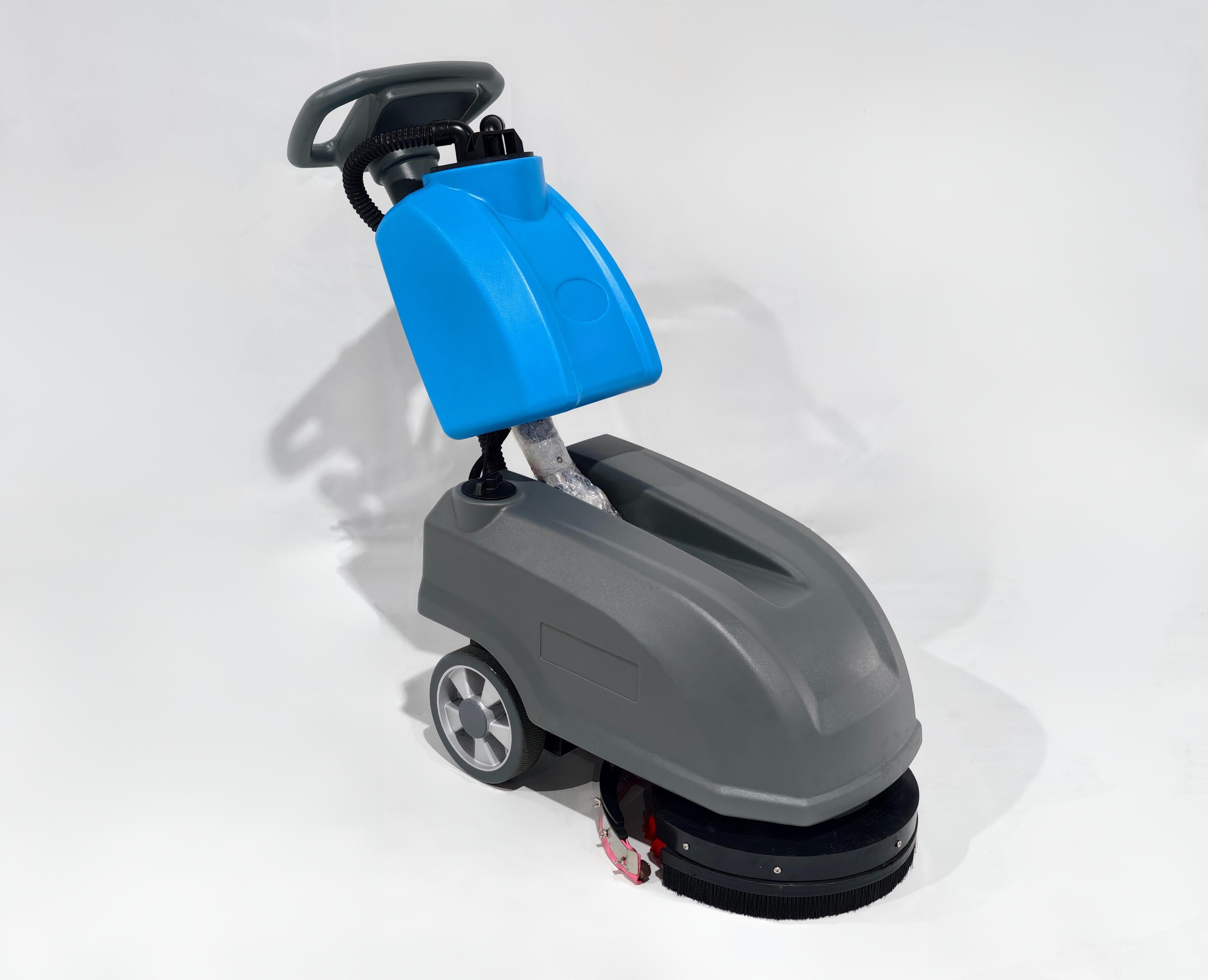
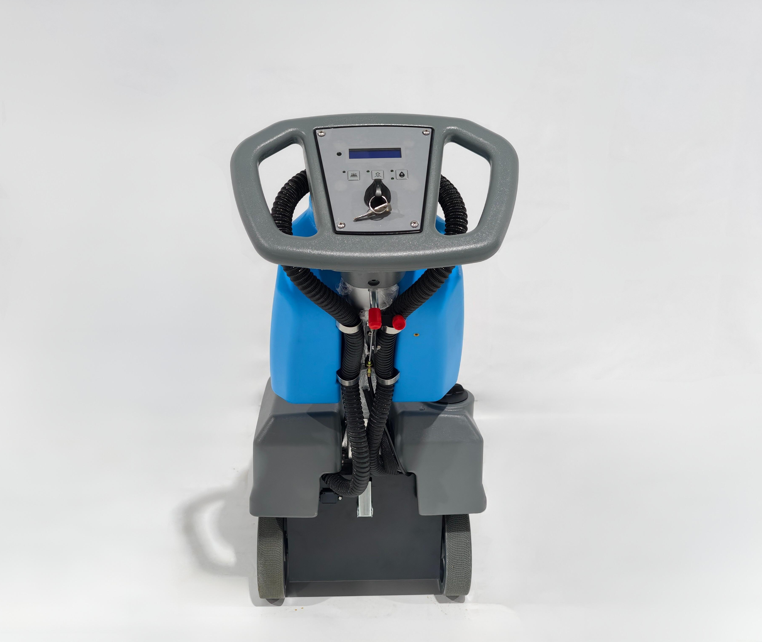
How to Choose a Floor Scrubber Based on Your Usage Scenarios?
When choosing a floor scrubber, the first thing to consider is your usage scenario. Different locations have vastly different needs for floor scrubbers. For example, the floor materials, area size, and cleaning frequency may differ between factory workshops and supermarkets/shopping malls. In a large industrial workshop, a floor scrubber with a wide cleaning width and long runtime might be needed to handle the spacious floor and extended working hours. In supermarkets or shopping malls, where the floor materials are usually more delicate, a smaller, more flexible floor scrubber might be more suitable for operation in narrow aisles. Therefore, clearly defining your usage scenario and selecting a floor scrubber with the appropriate functions based on those needs is the first step in purchasing.
How Does the Battery Life of a Floor Scrubber Affect Efficiency?
Battery life is one of the most important factors to consider when purchasing a floor scrubber. For locations requiring long-term cleaning, the floor scrubber’s battery life directly impacts cleaning efficiency. If the floor scrubber’s battery life is too short, it may require frequent charging, affecting overall work efficiency and time management. Choosing a floor scrubber with a longer battery life allows for continuous operation for longer periods, reducing unnecessary interruptions and improving cleaning efficiency. Therefore, when purchasing, it is essential to pay attention to the floor scrubber’s battery type and battery life, and consider whether the optional batteries meet your needs. Understanding battery maintenance requirements and charging times is also crucial for extending the equipment’s lifespan.
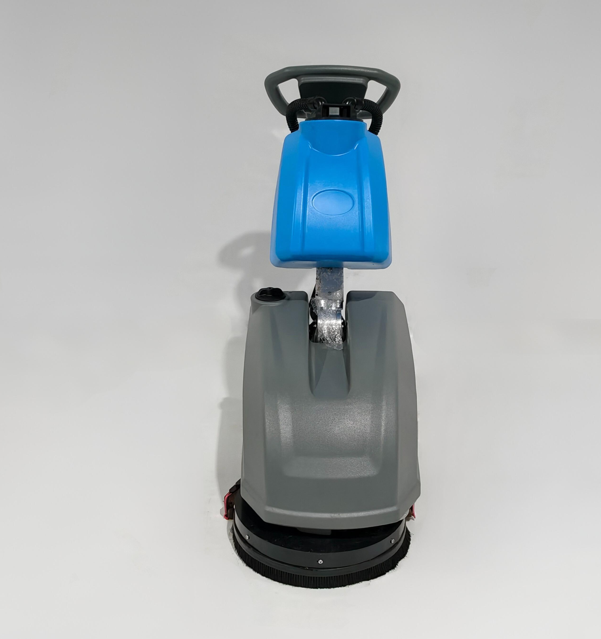
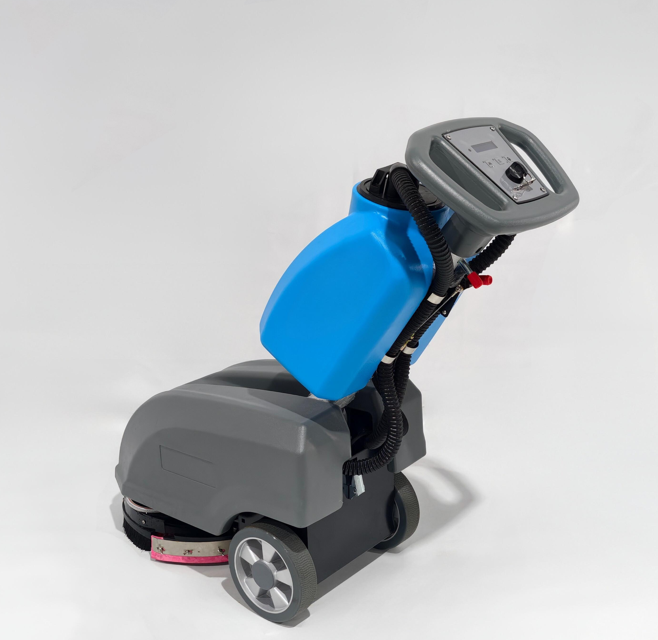
What are the differences between walk-behind and ride-on floor scrubbers?
Walk-behind and ride-on floor scrubbers each have their advantages and disadvantages; the choice depends on the specific cleaning needs. Walk-behind scrubbers have a relatively simple structure, suitable for small to medium-sized sites, and offer flexible operation, performing particularly well in confined spaces and complex terrain. Ride-on floor scrubbers are better suited for large-area cleaning tasks. They typically have wider cleaning paths and higher efficiency, making them suitable for large-scale cleaning operations in spacious factories or shopping malls. Although ride-on floor scrubbers may be larger and more expensive, their efficiency advantage in large areas is undoubtedly their competitive edge. Therefore, the choice should be made based on the size of the site and the frequency of cleaning, taking into account the characteristics of both types.
What should be noted regarding the maintenance and upkeep of a floor scrubber?
Daily maintenance and upkeep of a floor scrubber are crucial to its long-term performance and lifespan. After purchasing a floor scrubber, first carefully read the instruction manual to understand the basic maintenance procedures. Regularly clean the brushes and squeegees to ensure no debris remains, avoiding damage to the floor or affecting cleaning performance. For battery-powered floor scrubbers, regularly check the battery status and maintain proper charging habits, avoiding overcharging or over-discharging. In addition, regularly check the clean water tank and wastewater tank to prevent scale and dirt buildup. Similarly, pay attention to the scrubber’s tires and drive system to ensure they are in good working order. Proper maintenance not only maintains the cleaning effect of the floor scrubber but also significantly extends its service life.
Contact Us
Designed specifically for small and medium-sized commercial spaces, this floor scrubber is highly praised for its flexible operation and efficient cleaning.
Walk-behind floor scrubbers require manual pressure, while self-propelled models have a built-in drive motor, resulting in higher cleaning efficiency and a 40% increase in cleaning speed. Compared to walk-behind models, the self-propelled model completed cleaning in just 45 minutes in a 1000㎡ workshop test.